
Our Approach
Mental wellbeing is not created by programmes alone. It is strengthened through knowledge, relationships, resilience, community support and access to appropriate help when it is needed.
Khuluma delivers educational mental wellbeing programmes that are evidence-informed, socially grounded and developed for South African realities. Our approach is built on six principles.
Our Imapact
Our approach is designed to achieve more than improved mental wellbeing. By combining community-based mental wellbeing education with the expertise of registered social workers, Khuluma creates impact at both individual and community level.
This dual-impact model strengthens communities while also creating opportunities for social workers to apply their skills where they are needed most.
Approach
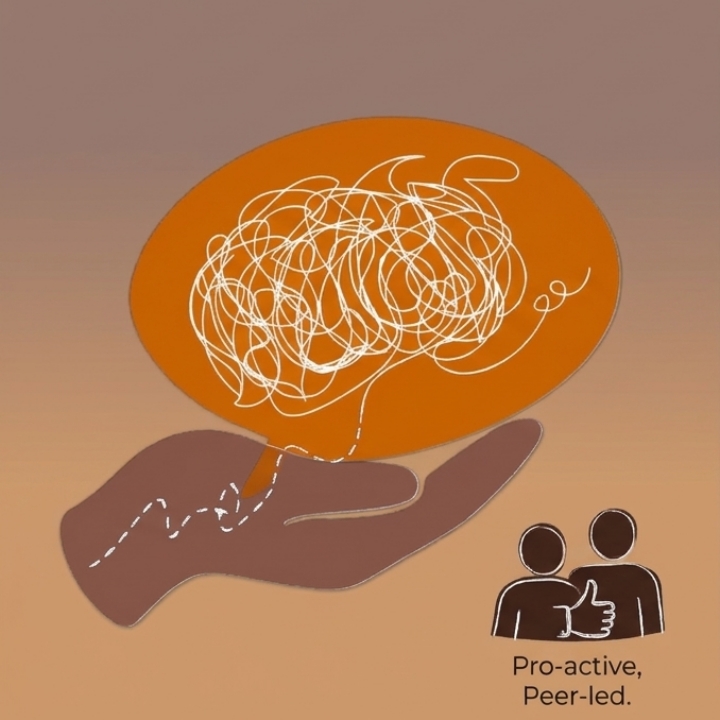
Proactive & Preventative
Supporting wellbeing before a crisis occurs
Khuluma focuses on promoting positive mental wellbeing rather than responding only when difficulties arise. Our programmes help participants understand their mental health, build resilience, develop healthy coping skills, support one another and recognise when additional help may be needed.
We believe that equipping people with practical knowledge and skills early creates stronger individuals, healthier schools and more resilient communities.
Evidence-Informed
Learning from research and listening to people
Khuluma is inspired by internationally recognised mental wellbeing practices, while recognising that programmes developed elsewhere cannot simply be transplanted into South African communities.
Since our inception, we have combined research with listening. Through conversations with learners, educators, social workers, health professionals, government employees and community leaders, we continue to learn how people understand and experience wellbeing within their own contexts.
Our programmes are informed by evidence, but shaped by the voices of the people we serve.
Socially Grounded
Seeing the whole person
Mental wellbeing does not exist in isolation. Family relationships, schools, communities, culture, faith, employment, safety and social circumstances all influence how people experience wellbeing.
As registered social workers, we view mental wellbeing through a social lens that recognises these interconnected realities. Our programmes are therefore designed not only for individuals, but also for the environments in which they live, learn and work.
Linguistically Relevant
Wellbeing is best understood in the language of everyday life
Mental wellbeing education cannot simply be translated. It must be understood, discussed and experienced through the language, culture and lived realities of the community being served.
Khuluma delivers programmes in English and isiZulu using language, examples and conversations that feel familiar and meaningful to participants. Our goal is not only to teach concepts, but to create opportunities for people to khuluma – to speak, to listen and to be heard.
Educationally Grounded
Education, not therapy
Khuluma’s programmes are educational interventions rather than therapeutic services. We work primarily in learning and community settings, helping participants strengthen mental health literacy, emotional literacy, communication skills, resilience and help-seeking behaviours.
We do not diagnose or treat mental illness. Instead, we equip people with practical knowledge and life skills that support long-term wellbeing.
Beneficiary Focused
Designed around the people we serve
Different communities, cultures and generations experience wellbeing in different ways. Effective mental wellbeing education therefore begins with understanding the people it is intended to benefit.
Our programmes are continuously adapted to reflect the realities, languages, experiences and communication styles of our beneficiaries. Whether working with learners, students or community members, our aim is to ensure that every programme remains relevant, accessible and meaningful.
Locally Informed. Community Led.
Khuluma’s approach brings together international best practice, South African social work expertise and the lived experiences of the communities we serve. The result is practical, culturally relevant mental wellbeing education that helps people build resilience, support one another and access help when it is needed.
Because lasting change begins with a conversation.
Strengthening Community Mental Wellbeing
Mental wellbeing is strengthened when people have the knowledge, skills and confidence to understand their mental health, support one another and seek help when needed.
Through our programmes, learners and community members develop practical mental wellbeing skills, greater emotional literacy, healthier coping strategies and increased awareness of available support pathways.
Our goal is to make conversations about mental wellbeing more common, more informed and more accessible within the communities we serve.
Championing Social Justice
Access to mental wellbeing knowledge and support should not depend on geography, income or circumstance.
Khuluma works to make mental wellbeing education accessible to communities that are often underserved or overlooked. By delivering practical, affordable and culturally relevant programmes, we help reduce barriers to information, support and early intervention.
We believe that strengthening mental wellbeing is both a public health priority and a matter of social justice.
Impact
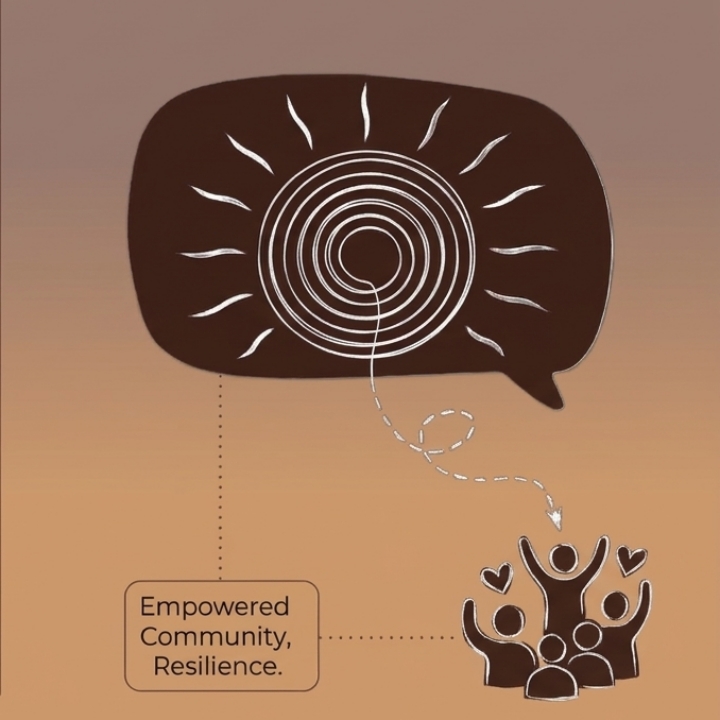
Mobilising Qualified Social Workers
South Africa has thousands of qualified social workers whose knowledge, skills and experience represent a valuable national resource.
Khuluma creates opportunities for registered social workers to contribute directly to community wellbeing by facilitating programmes, supporting beneficiaries and strengthening local support networks.
This allows communities to benefit from professional expertise while ensuring that social workers remain active within the communities they serve.
Training Unemployed Social Workers
Many registered social workers struggle to find opportunities to gain practical experience or meaningful employment after qualification.
Khuluma is committed to building pathways for unemployed social workers to apply and expand their professional skills through training, facilitation and community-based programme delivery.
In doing so, we invest not only in community wellbeing, but also in the next generation of social work professionals.
Building Local Capacity
Sustainable change happens when communities develop their own capacity to support wellbeing.
Through initiatives such as SocialWorkers.Network and Mental Health+ / Impilo Yenqondo Ephephile, Khuluma is building a nationally coordinated, locally led network of social workers who can support schools and communities in their own areas.
Our long-term vision is a growing movement that strengthens mental wellbeing one conversation, one classroom and one community at a time.
Explore Our Latest Blog Posts
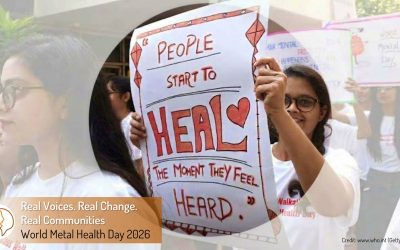
Real Voices. Real Change. Real Communities (World Metal Health Day 2026)
Before mental health support can be accessed, understanding must exist. And understanding is created through education.
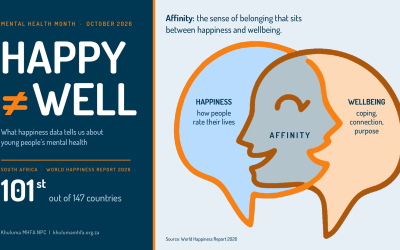
Happiness-Mental Wellbeing Paradox: Happy ≠ Well
October is Mental Health Month. One of our research questions was about how to quantify Mental-Wellbeing in South Africa: “What happiness data can and can’t tell us about South Africa’s young people”.
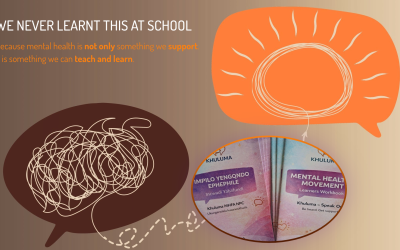
We Never Learnt This at School
Before mental health support can be accessed, understanding must exist. And understanding is created through education.
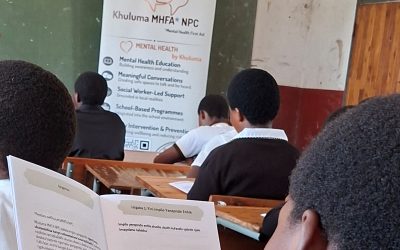
Why Global Data Proves Our Work with Grade 10 Learners Is Critical
Because every learner deserves the opportunity to thrive, not merely cope
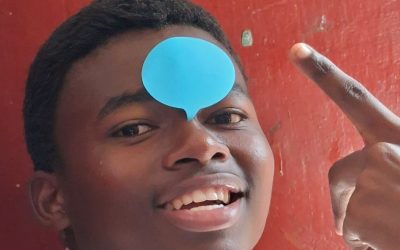
Impilo Yenqondo Ephephile: Listening to Mandeni Learners in Their Own Language and Context
Mental Health by Khuluma. What Mandeni Learners Are Telling Us. Why isiZulu Matters
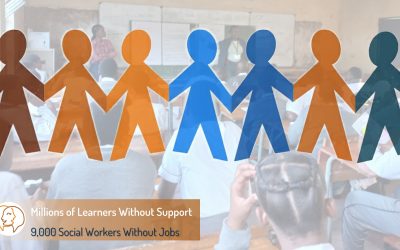
Millions of Learners Without Support
learners in public schools are dealing with trauma, violence, hunger and mental health difficulties with little or no professional support
Social Impact Statement
Khuluma MHFA NPC impacts the South African mental health index by training learners and community members in Mental Health First Aid principles. Our registered health care providers use non-clinical and proactive approaches, “The Khuluma Way” is , to help to recognise, understand, and how to respond to mental health challenges.
Through education and evidence-based training, our company reduces stigma, bridges the gap to professional care, and fosters supportive environments in schools, communities and the workplaces, before a challenge turns into a crisis.