Executive Summary
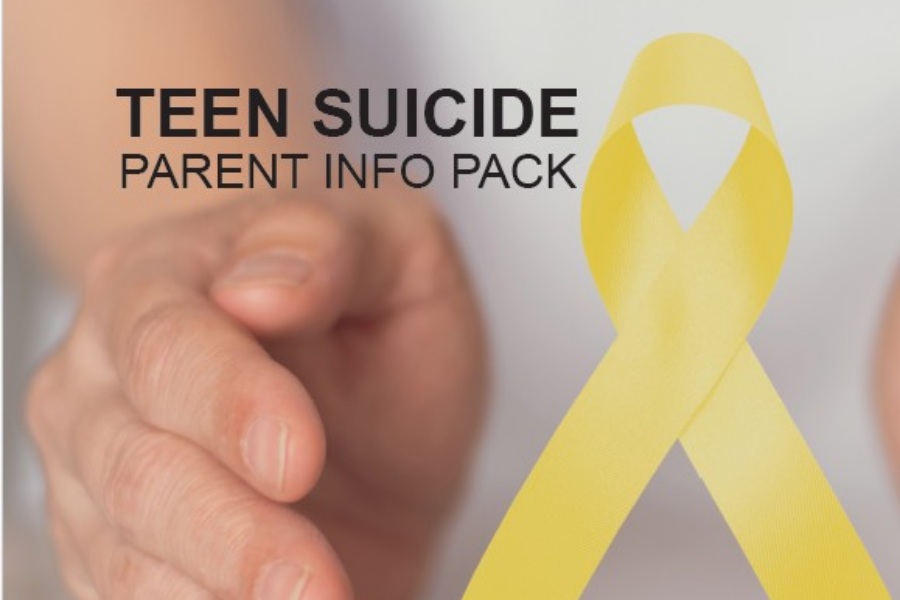
Teen Suicide Parent Info Pack – Department of Basic Education (South Africa)
This information pack provides parents and caregivers with essential guidance on understanding, identifying, and responding to mental health challenges among teenagers, with a focus on anxiety, depression, self-harm, and suicide prevention.
Key Insights:
- Teen Anxiety: Anxiety is a natural response to stress but becomes problematic when persistent and overwhelming. Common triggers include exams, bullying, grief, trauma, and identity struggles. Grounding and breathing techniques are recommended to help teens manage acute anxiety episodes.
- Teen Depression: Adolescence brings emotional volatility, but persistent sadness, withdrawal, loss of interest, and major behavioral changes may signal depression. Parents are urged to take suicidal statements seriously, even if they appear attention-seeking, and to engage in open, supportive dialogue.
- Self-Harm: Self-harm is distinct from suicide, serving as a coping mechanism for emotional pain. It can manifest in cutting, substance abuse, disordered eating, or risky behaviors. Parents should respond with empathy and recognize that professional support may be necessary.
- Understanding Teen Suicide: Suicide is defined as the intentional act of ending one’s life, often preceded by warning signs such as withdrawal, risk-taking, giving away possessions, or talking about death. Risk factors include mental health disorders, abuse, chronic illness, trauma, bullying, and family conflict.
- Intervention & Prevention: Parents are encouraged to ask direct questions, remove harmful objects, and seek professional help through school-based support teams or mental health services. The guide emphasizes that all suicidal comments must be taken seriously.
Support Resources:
The pack lists multiple helplines and organizations offering 24-hour support, including SADAG, Lifeline, Childline, and the Department of Social Development.
Emergency numbers (112, 10111) are also provided for immediate crises.
Conclusion:
The Department of Basic Education underscores the importance of parental awareness, proactive engagement, and access to professional support in safeguarding teenagers’ mental health. By recognizing warning signs early and fostering open communication, parents can play a pivotal role in preventing self-harm and suicide among young people.
Source: Published by the Department of Basic Education, 222 Struben Street, Private Bag X895, Pretoria, 0001, Telephone: 012 357 3000 Fax: 012 323 0601,
ISBN: 000-0-0000-0000-0-0000, © Department of Basic Education
www.education.gov.za
www.facebook.com/BasicEd
www.twitter.com/dbe_ss